

Introduction
The Trillo frontend site is a hotel-based user interface project that focuses entirely on the visual and structural aspects of a modern hotel booking website. It is coded using frontend technologies.
Trillo frontend site is designed to simulate the look and feel of real travel platforms, without using backend systems such as databases, authentication, or payment processing. The goal of this project is to practice and demonstrate professional frontend design principles. Navigational menus, hotel image galleries, ratings, descriptions, facilities, and customer reviews are all presented by Trillo in an orderly and tidy manner. Each part is thoughtfully designed to make it easy for visitors to navigate the page while maintaining a visually balanced and scan-friendly interface. Clarity, typography, spacing, and responsiveness to various screen sizes are all highlighted in the design.
Because it demonstrates actual user interface patterns found on travel and hospitality websites, this frontend website is frequently used as a learning and portfolio project. It aids developers in comprehending how well-designed complicated layouts may still be user-friendly. Developers get better at creating scalable layouts, captivating user interfaces, and aesthetically pleasing, realistic, and production-ready web experiences by working on the Trillo frontend site. The core idea of the Trillo project is to show how a complex layout can be organized in a simple, readable, and user-friendly way
Purpose of a hotel frontend site
- Clear information hierarchy
- Strong visual appeal of hotel
- Consistent spacing and alignment
- Responsive layouts for multiple screen sizes
- Real-world UI patterns users already understand
Building the project
The Trillo frontend site is created using HTML5, CSS3, SASS, and JavaScript, focusing purely on frontend structure, styling, and interaction. HTML5 handles the page structure and places all visual elements correctly in the browser. CSS3 and SASS are used to design and organize the layout, ensuring the interface looks clean, modern, and consistent across screen sizes. SASS helps keep styles modular, readable, and easy to maintain by compiling reusable style logic into standard CSS.
JavaScript is used only where interaction is necessary, keeping the project lightweight and easy to understand. For example, interactive elements like the hotel search bar and UI responses are handled with JavaScript, while visual effects such as button hover states and subtle “breathing” animations are achieved entirely with CSS. The project uses SVG icons stored locally and optimized images to maintain sharp visuals and fast loading performance.
Minimal JavaScript is written directly inside HTML, following clean separation practices recommended for frontend development. Overall, the Trillo frontend site is simple, responsive, and thoughtfully structured. It is an excellent beginner-friendly project that introduces real-world hotel website design patterns and strengthens core frontend skills through hands-on practice.
Overall Layout and Design Structure
Header and Top Navigation
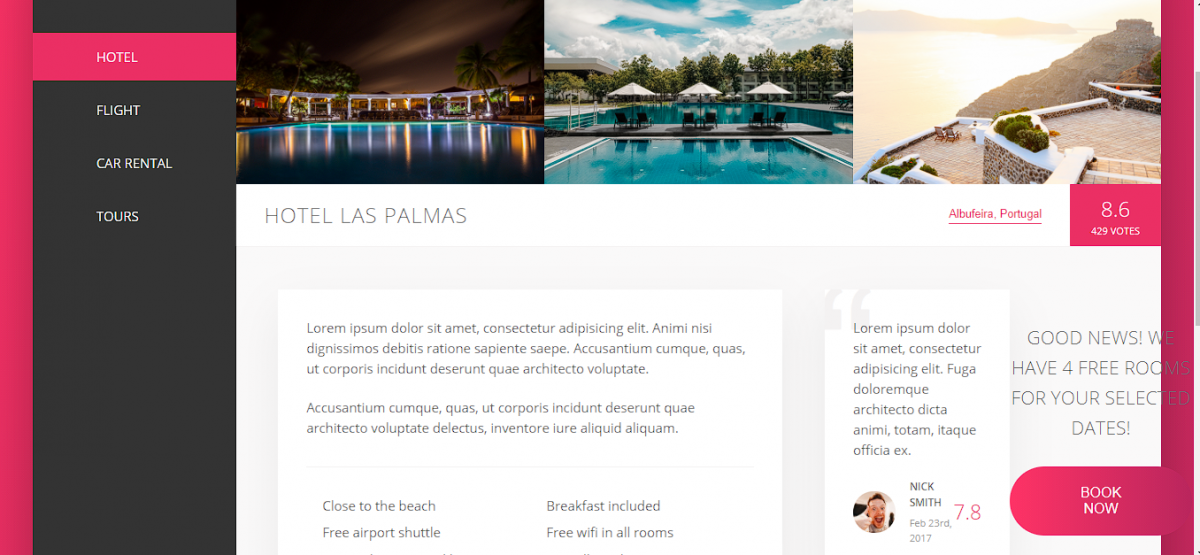
The Trillo frontend site’s header area is clean and minimalist, designed to provide users with easy access to essential functions. It often includes the brand’s logo, a prominent search bar, and utility symbols. This section establishes the tone of the website by keeping the interface simple and allowing consumers to begin searching for hotels without interruption.
Sidebar Navigation
The sidebar layout provides a dashboard-like experience to the site. It elegantly arranges several aspects such as a hotel overview, bookings, and user-friendly settings. By positioning navigation vertically, the design keeps the primary content area tidy while making navigating between parts feel seamless and intuitive.
Main Content Area
The layout’s primary area focuses on providing concise and visually appealing hotel information. Large photos, hotel names, reviews, and location details are presented in a balanced manner, allowing readers to quickly grasp crucial information. Proper spacing and alignment improve reading and visual flow.
Hotel Details and Description
Following the overview, the hotel description and feature highlights are presented in an organized manner. Short paragraphs and organized facts make the content easy to scan, allowing users to quickly understand facilities, comfort features, and distinctive selling points.
Responsive Design and Visuals
The entire layout adapts smoothly across different screen sizes. Consistent typography, spacing, and color usage ensure the site remains usable and visually appealing on desktops, tablets, and mobile devices.
How to use this trillo project?
- Download the project.
- Extract the zip file & get the folder.
- Set up an editor or IDE. (vs code, sublime text, atom)
- Open the project folder on the editor.
- Launch the program in the browser. (Google Chrome, Mozilla Firefox)
- Search the user.
- Enjoy & Share.
Download the Trillo frontend project and rebuild it from scratch to strengthen your understanding of modern layout design, responsive structure, and real-world UI patterns. Customize the interface, experiment with styles, and treat it like a production-grade hotel website to gain practical experience that truly stands out in your portfolio.